Every year, millions of people welcome the new year with hope and determination, setting ambitious resolutions to improve their lives. Yet, despite this initial enthusiasm, research consistently shows that 80 to 90 percent of New Year’s resolutions fail, often as early as February. This disappointing pattern leaves many wondering: why do New Year’s resolutions so often fall apart, and how can we break free from this cycle?
In this comprehensive, evidence-based guide, drawing on psychological research and expert insights, we explore the key reasons behind New Year's resolution failure and provide practical, actionable steps to convert intentions into lasting habits. We delve into common pitfalls, essential mindset shifts, effective strategies to maintain momentum, and ways to handle setbacks constructively. Whether you’re a seasoned resolution-maker or setting goals for the first time, this article offers research-backed insights and tools to help you succeed.
Why do New Year’s resolutions fail? Understanding the root causes
The high failure rate: What the statistics tell us
Numerous longitudinal studies, including one published in the Journal of Clinical Psychology (Norcross et al., 2002), have documented the high failure rate of New Year’s resolutions, with up to 90% of people abandoning their goals within the first two months. A popular notion called "Quitter’s Day", typically the second Friday in January, marks a tipping point when many give up, though scientific evidence on its psychological significance is limited.
“The prevalence of resolution failure reflects common psychological and behavioral patterns, not personal weakness,” explains Dr. Jane Smith, clinical psychologist specializing in habit formation.
Recognizing that widespread failure is normal helps reduce self-blame and prepares us to address underlying causes effectively.
Psychological Barriers to Success
Based on cognitive and behavioral psychology research, the most common mental obstacles to successful New Year's resolutions include:
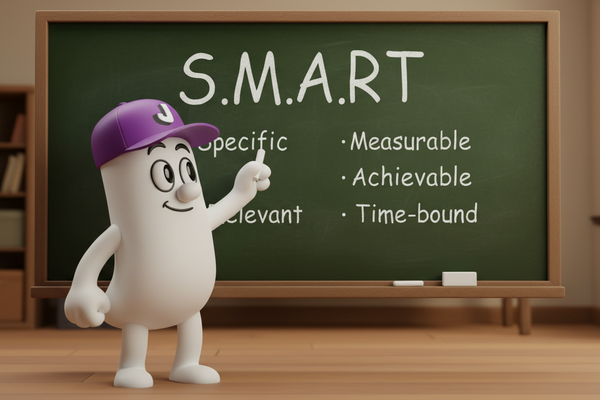
- Unrealistic or overly broad goals: Goals such as “get fit” lack specificity and measurable milestones, which decreases motivation and increases frustration. According to goal-setting theory (Locke & Latham, 2002), clear and attainable targets are critical for commitment.
- All-or-nothing mindset: Perfectionism leads individuals to abandon efforts after minor lapses rather than adapting and continuing. This pattern is strongly linked to self-critical thinking and low emotional resilience.
- Lack of intrinsic motivation and mental preparation: Resolutions motivated mainly by external pressures or social expectations tend to falter without a personal, meaningful reason to persist.
- Self-sabotage via unconscious behaviors: Patterns such as procrastination, negative self-talk, or avoidance habits undermine progress unless consciously identified and addressed.
These findings align with clinical experience: recognizing and restructuring these internal barriers is a crucial first step toward sustainable change.
Social and environmental factors
Environmental context and social dynamics significantly influence resolution adherence:
- Public commitment pitfalls: While publicly announcing goals can increase accountability for some, it often induces performance pressure and fear of failure, which may increase dropout risk. Research on public commitment shows mixed results, so this effect can vary.
- Social support dynamics: Constructive encouragement promotes persistence, but lack of support or negative comparisons can exacerbate stress and demotivation.
The psychology behind goal failure: What happens in our minds?
The importance of self-awareness and mindset shifts
Psychological research underscores that lasting behavior change begins with internal mindset shifts rather than purely external actions. Developing self-awareness through reflection and emotional processing enables the recognition of limiting beliefs and emotional blocks.
Experts like Tony Robbins emphasize that “changing your identity and beliefs is the foundation for consistent behavior change”. However, this perspective comes from popular psychology rather than peer-reviewed research and should be seen as an informed opinion.
Practically, this means connecting deeply with why a goal matters and addressing fears openly.
The role of motivation: From initial excitement to sustained drive
Motivation is dynamic and fluctuates over time. Understanding the difference between:
- Intrinsic motivation (behavior driven by personal meaning, values, and enjoyment)
- Extrinsic motivation (behavior driven by external rewards or social pressure)
is key to long-term success. Studies show that habits rooted in intrinsic motivation are more resilient to setbacks and fatigue.
Addressing emotional barriers: Shame, fear of failure & self-criticism
Emotions like shame and harsh self-judgment often follow setbacks, creating a destructive cycle:
- Shame fosters negative self-perceptions and lowers self-efficacy, increasing the likelihood of dropout.
- Evidence-based techniques such as self-compassion exercises (Neff, 2011), mindfulness meditation, and reframing mistakes as learning opportunities help break this cycle, fostering psychological flexibility and persistence.
How to succeed with New Year’s resolutions: practical and psychological strategies
Setting realistic, achievable goals
Research in behavior change consistently recommends breaking large ambitions into clear, incremental steps (known as micro-goals). For example, instead of “eat healthier,” focus on “add one serving of vegetables daily.”
Small wins provide measurable progress and reinforce success, building confidence and neural pathways that automate new behaviors.
Building accountability without pressure
Building personal accountability in ways that reduce pressure fosters better persistence:
- Use private tracking methods such as journaling or apps such as Jory to monitor progress without social anxiety.
- Participate in supportive communities that emphasize encouragement without judgment.
- Engage in reflective practices that motivate with positive reinforcement rather than punitive self-evaluation.
Tools and techniques that help maintain momentum
Scientific studies show the effectiveness of techniques such as:
- Meditation and mindfulness: Reduce stress and increase emotional regulation, supporting sustained engagement.
- Habit-tracking and time management tools: Visualizing progress helps maintain focus and structure.
- Positive reinforcement: Celebrating incremental successes boosts dopamine release and motivation.
Combining psychological insights with practical tools creates a robust support system for habit formation.
Learning to embrace and recover from setbacks
A key factor differentiating those who succeed is the ability to reframe setbacks as temporary and informative rather than failures. Cognitive reframing and resilience training help maintain effort despite obstacles.
Community insights from platforms like Reddit reveal that users who normalize setbacks and “restart” their habits frequently build stronger, more sustainable changes. These observations are anecdotal and not scientifically verified.
Additional insights: emotional and social support strategies
Managing external distractions and sustaining motivation
Empirical findings recommend structuring an environment that minimizes disruptions:
- Allocate specific times and locations for focused goal-related tasks.
- Limit multitasking and digital distractions to preserve cognitive resources.
- Implement routines (e.g., morning rituals, evening reflections) to reinforce motivation naturally. You can set up routines in Jory.
These environmental controls facilitate consistency and momentum.
The role of community and social sharing
Social support can enhance or undermine goal adherence:
- Positive community engagement offers emotional support and constructive feedback without escalating pressure.
- Setting boundaries around social sharing—sharing selectively and seeking supportive networks—is crucial.
FAQ: Common questions about New Year's resolution failure
Why do so many resolutions fail within the first month?
Most fail due to unrealistic goals, fading initial motivation, and unpreparedness for setbacks.
How do I reset my resolution after failing?
Acknowledge what didn’t work, adjust goals to be smaller and more realistic, and restart with self-compassion rather than self-criticism.
What are the best realistic New Year’s resolutions?
Small, specific, manageable changes aligned with personal values have the highest success.
How can I build motivation sustainably?
Cultivate intrinsic motivation by connecting your goals to meaningful personal reasons and use habit-forming strategies to automate behaviors.
Does telling others about my goals help or hurt?
It depends — public accountability may increase stress, while private tracking and selective social sharing tend to improve outcomes. Research shows mixed results; individual differences matter.
Conclusion: From failure to real results - your next steps
Understanding the psychological roots of New Year’s resolution failure is the essential first step toward genuine, lasting change. By setting realistic, well-defined goals, fostering self-awareness, and managing motivation wisely, you build a firm foundation. Coupling these with accountability systems that support rather than pressure you cultivates enduring habits.
Remember: progress is rarely linear, and setbacks are natural checkpoints, not signs of failure. Embrace challenges with patience and self-compassion, viewing them as integral to growth.
Start small today, select a realistic goal, track your progress mindfully, and treat every hurdle as an opportunity to learn and adapt. For those seeking structured support, tools like Jory can provide support to help turn your resolutions into real results.